
- Home/
- Buy Neurontin Online in Australia – Fast Delivery and Great Prices
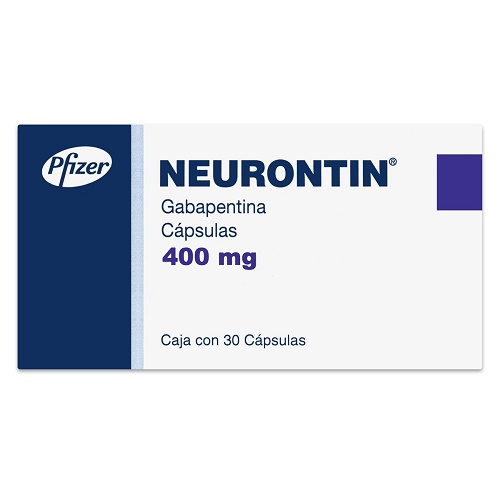
Neurontin (Gabapentin) in Australia: Complete Guide for Safe, Effective Use in Neuropathic Pain
Quick Facts: Neurontin at a Glance
| Parameter | Details |
|---|---|
| Active Ingredient | Gabapentin |
| Category | Neuropathic Pain Medication, Anticonvulsant |
| Prescription Requirement | Yes (Schedule 4, Prescription Only) |
| Approved Uses in Australia | Neuropathic pain (adults), epilepsy (adjunct) |
| Onset of Action | Within 2–3 hours after oral intake |
| Main Contraindication | Severe kidney impairment; known allergy to gabapentin |
| Generic Availability | Yes (multiple brands and generics) |
| Cost Estimate | Starting from approx. AUD $20 for 100 tablets (PBS subsidised for some indications) |
| Common Side Effects | Drowsiness, dizziness, fatigue, peripheral oedema |
Bottom line: Neurontin is a prescription-only medication in Australia, mainly used for nerve-related pain and as an add-on for epilepsy. Safety and effectiveness depend on medical supervision.
Can You Access Neurontin Without a Prescription in Australia?
No, Neurontin (gabapentin) can only be legally obtained in Australia with a valid prescription from an Australian-registered doctor. Purchasing gabapentin without a prescription is illegal, may result in customs seizure, fines, or prosecution, and carries significant safety risks (counterfeit risk, incorrect dosing).
- Neurontin is classified as a Schedule 4 (Prescription Only) medicine under the Therapeutic Goods Administration (TGA) scheduling system.
- Online offers for prescription-free gabapentin are not legal in Australia.
- All legitimate pharmacies—whether brick-and-mortar or Australian-licensed online—will require you to present a script.
In short: Never attempt to obtain gabapentin from overseas or unverified online shops. Doing so puts your health and legal standing at risk.
How Does Neurontin Work for Neuropathic Pain?
- What is the pharmacological action?
- Gabapentin, the active ingredient in Neurontin, is structurally similar to the neurotransmitter gamma-aminobutyric acid (GABA) but does not act directly on GABA receptors. Instead, it binds to the alpha-2-delta subunit of voltage-gated calcium channels in the central nervous system.
- What does this do?
- By binding at these sites, gabapentin reduces the release of excitatory neurotransmitters—such as glutamate and substance P—thereby dampening abnormal nerve signalling responsible for neuropathic pain.
- Metaphor:
- Think of Neurontin as a “noise filter” for nerves. It doesn’t repair nerves, but it stops them from sending out too many “pain signals.”
According to several studies, including a 2024 meta-analysis published in the Australian Journal of General Practice, gabapentin offers a significant reduction in neuropathic pain intensity compared to placebo, particularly in conditions such as diabetic neuropathy and post-herpetic neuralgia.
Myth vs Reality: Myth: Neurontin will cure the underlying nerve problem. Reality: It manages symptoms but does not reverse nerve damage.
How Is Neurontin Prescribed and Taken? (Dosage and Duration)
Typical starting doses for neuropathic pain in adults are:
- Day 1: 300 mg at night
- Day 2: 300 mg twice daily
- Day 3: 300 mg three times daily
Doses are then gradually increased based on response and side effect profile, up to a maximum of 3600 mg/day (divided into three doses).
| Patient group | Adjustment required? |
|---|---|
| Adults (normal kidney function) | Standard dosing |
| Elderly or frail patients | Start at lower doses and titrate more slowly |
| Renal impairment | Significant dose reduction and/or longer intervals |
| Children under 18 (neuropathic pain) | Not approved |
- Tablets may be swallowed whole with water; some generic brands allow splitting (confirm with your pharmacist).
- Never exceed prescribed dose—risk of overdose and toxicity increases significantly above 3600 mg/day.
- Duration of therapy is determined by ongoing benefit, tolerability, and regular review by your doctor.
Peak effect is usually seen within days to 2 weeks. Do not stop abruptly—discuss tapering if discontinuing.
Interactions with Food, Alcohol, and Daily Life
| Substance or Product | Can It Be Combined? | Potential Consequences |
|---|---|---|
| Food (general) | Yes | No significant effect on absorption |
| High-fat meals | Yes | Slight delay in absorption, no clinical impact |
| Alcohol | Best avoided | Increased sedation, risk of respiratory depression |
| Grapefruit juice | Yes | No interaction reported |
| Antacids (aluminium/magnesium) | With caution | May reduce absorption; separate dosing by 2 hours |
| Opioids | With extreme caution | Increased risk of sedation, respiratory depression—combination only under specialist supervision |
- You can take Neurontin with or without meals.
- Alcohol should be minimised or avoided—effects are additive and unpredictable.
- Important: Gabapentin may cause drowsiness or dizziness. Do not drive or operate machinery until you know how it affects you.
What it can do: Support pain relief as part of a daily routine. What it cannot do: Allow unrestricted alcohol use or guarantee safe vehicle operation for all users.
Who Should Not Use Neurontin? (Absolute and Relative Contraindications)
| Type | Condition | Why / Explanation |
|---|---|---|
| Absolute | Known allergy to gabapentin or excipients | Risk of severe allergic reaction |
| Absolute | Severe renal impairment (eGFR <30 mL/min) | Accumulation and toxicity risk |
| Absolute | Children under 18 (for neuropathic pain) | Not approved; insufficient safety data |
| Relative | History of substance misuse | Potential for misuse, especially in combination with opioids |
| Relative | Pregnancy and breastfeeding | Potential risks to fetus/infant; use only if benefits outweigh risks |
| Relative | Severe respiratory disease (e.g., COPD) | Increased risk of respiratory depression |
| Relative | Older adults (>65 years) | Greater risk of sedation, falls, confusion |
- If you have a history of severe depression or suicidal thoughts, discuss this with your doctor before starting Neurontin.
- Always provide your full medication list—gabapentin can interact with other drugs, including antacids, opioids, and some antiepileptic medicines.
Bottom line: When in doubt, ask. Taking Neurontin with certain conditions or medications may lead to serious harm.
What Side Effects Are Most Common with Neurontin?
| Frequency | Side Effect | Explanation / What to Do |
|---|---|---|
| Very common (>1 in 10) | Drowsiness, dizziness, fatigue | Usually dose-related, often improve with time; report if severe |
| Common (1 in 100 to 1 in 10) | Peripheral oedema (swelling), coordination problems, viral infection, weight gain, dry mouth | Monitor, discuss with your doctor if persistent |
| Uncommon (1 in 1000 to 1 in 100) | Blurred vision, mood changes, memory problems | Inform your doctor promptly; may require dose adjustment |
| Rare (<1 in 1000) | Severe allergic reactions, suicidal thoughts, respiratory depression (especially with opioids) | Seek immediate medical attention |
- Drowsiness and dizziness are most pronounced when starting or increasing the dose.
- Some patients report dependence symptoms if stopping abruptly (anxiety, insomnia, sweating, rarely seizures).
- If you notice mood changes, depression, or thoughts of self-harm, contact your doctor immediately.
- What to do: Serious side effects (like difficulty breathing, swelling of face/lips/tongue) require urgent emergency care—ring 000 in Australia.
Summary: Most side effects are manageable; a minority may be serious and require immediate attention.
Neurontin vs. Alternatives: How Does It Compare?
| Medication | Main Use | Onset of Action | Common Side Effects | PBS Subsidy (Australia) | Notes |
|---|---|---|---|---|---|
| Neurontin (Gabapentin) | Neuropathic pain, epilepsy (adjunct) | 2–3 hours | Drowsiness, dizziness, weight gain | Yes (for specific conditions) | Low drug–drug interaction profile |
| Lyrica (Pregabalin) | Neuropathic pain, fibromyalgia, epilepsy (adjunct) | 1 hour | Dizziness, drowsiness, blurred vision | Yes (broader indications) | Quicker onset, higher risk of dependence |
| Amitriptyline | Neuropathic pain, depression | Several days to weeks | Dry mouth, sedation, weight gain | Yes | More anticholinergic effects; not suitable for all |
| Duloxetine | Diabetic neuropathy, depression, anxiety | 1–2 weeks | Nausea, dry mouth, fatigue | Yes (for certain indications) | Also treats mood symptoms |
In short:
- Neurontin is preferred when lower interaction risk is needed and gradual titration is possible.
- Lyrica (pregabalin) may act faster but is more tightly regulated in some states.
- Older antidepressants (e.g., amitriptyline) are effective but often limited by side effects.
- No single option is “best”—treatment should be individualised.
How Is Neurontin Processed in the Body? (Pharmacokinetics Explained)
Gabapentin is absorbed from the small intestine via a specific transporter (L-amino acid transport system). Peak blood concentrations are reached within 2–3 hours after oral dosing.
- Metabolism: Neurontin is not metabolised by the liver; it is not affected by most liver conditions.
- Elimination: Gabapentin is eliminated unchanged via the kidneys.
- Half-life: Typically 5–7 hours in adults with normal kidney function; may extend to 20+ hours in severe renal impairment.
In practical terms, patients with significant kidney disease will need much lower or less frequent doses. Dose adjustment is not usually needed in mild hepatic impairment.
Key tip: If you have kidney disease, your doctor will order blood tests and may work with a nephrologist (kidney specialist) to set your dose.
What About Special Populations?
- Older adults: Increased risk of sedation, falls, and confusion. Start low and go slow.
- Pregnancy: There is no strong evidence of major harm in humans, but data is limited. Use only if benefits outweigh risks and under specialist advice.
- Breastfeeding: Gabapentin passes into breast milk in low levels; monitor infant for sedation or feeding difficulties.
- Severe mental health conditions: Gabapentin may worsen mood instability; close monitoring is essential.
- Driving and machinery: Strictly avoid if you experience drowsiness, blurred vision, or impaired coordination.
- Fertility: No known adverse effects on fertility at therapeutic doses in humans, but studies are limited.
Cultural tip: If you are of Aboriginal or Torres Strait Islander background, or from a culturally and linguistically diverse background, discuss specific concerns with your doctor or pharmacist. Interpretation services are available in major Australian hospitals and clinics.
How to Legally Obtain Neurontin in Australia: Step-by-Step
- See a qualified healthcare professional: Book an appointment with your GP, pain specialist, or neurologist. Telehealth consults are available in most states and territories.
- Provide your full medical history: This ensures safe prescribing and identifies any red flags for interactions or contraindications.
- Undergo assessment and trial: Your doctor will diagnose your condition, possibly try non-drug or alternative drug treatments before prescribing gabapentin.
- Get a valid prescription: Your doctor will write a script specifying the dose and duration.
- Fill the prescription at a pharmacy: Take your prescription to any Australian-registered pharmacy, or use a legitimate online pharmacy with Australian operations.
- Follow-up: Regularly review progress and side effects with your doctor. Adjustments are often needed.
Warning: Avoid overseas online pharmacies offering “no prescription” deals. These are illegal in Australia and may supply counterfeit or unsafe medicines. The TGA has the authority to seize and destroy unauthorised medicines at the border.
How to Avoid Counterfeits and Identify Genuine Neurontin
- Purchase only from Australian-registered pharmacies—look for the Pharmacy Board of Australia or local state/territory health department approval.
- Beware of unusually low prices, generic packaging, or inconsistent pill shapes/colours.
- Check for batch numbers, expiry dates, and manufacturer details (Pfizer for branded Neurontin; other TGA-approved companies for generics).
- Some packs include QR codes or holograms—scan or check with your pharmacist if unsure.
- If in doubt, take the packaging to your local pharmacy for verification.
- Generics contain the same active ingredient but excipients (inactive ingredients) may differ—discuss allergies or sensitivities with your pharmacist.
Did you know? Over 70% of online medications seized at the Australian border in 2023 were found to be counterfeit or substandard (TGA Operation Pangea XVI).
Neurontin Quality Check: What Should the Real Medicine Look Like?
- Neurontin 100 mg capsule: White, hard gelatin capsule, imprinted with “PFIZER” and “397”.
- Neurontin 300 mg capsule: Yellow, hard gelatin capsule, imprinted with “PFIZER” and “389”.
- Neurontin 400 mg capsule: Orange, hard gelatin capsule, imprinted with “PFIZER” and “392”.
- Packaging includes the Australian Registration Number (AUST R), batch number, expiry date, and is supplied in sealed blisters or bottles.
- Generic brands may vary in appearance but must be labelled with the active ingredient, strength, and sponsor details.
If your product looks different, check with your pharmacist before taking it. Never use unlabelled or loose pills.
What to Do in Case of Overdose: Emergency Steps
- Stop taking Neurontin immediately.
- Call 000 or the Poisons Information Centre (13 11 26) in Australia without delay.
- Provide the exact amount taken, the time of ingestion, and any symptoms (e.g., drowsiness, unresponsiveness, slow breathing).
- Stay with the affected person until help arrives; do not attempt to induce vomiting unless instructed by a medical professional.
- Bring the medicine packaging with you to the hospital if possible.
Signs of overdose: extreme drowsiness, slurred speech, unresponsiveness, shallow breathing, or collapse.
Early intervention saves lives. Do not delay seeking help.
Expert Commentary: Psychological and Social Considerations
Neuropathic pain is a long-term, often invisible condition that can impact every aspect of a person’s life—from mood and sleep to work, family, and self-esteem. For many, it feels isolating. But you’re not alone: tens of thousands of Australians live with nerve pain every year. Medications like Neurontin help some, but rarely work in isolation.
- Non-drug therapies (psychology, physiotherapy, pacing, mindfulness) are essential for many.
- If you feel overwhelmed, depressed, or unsupported, speak to your doctor or discuss with a trusted person. Mental health support is available through Beyond Blue and Lifeline.
- Involving family, friends, or carers can help maintain motivation and monitor medication safety.
Remember: Chronic pain is legitimate, and seeking help is a sign of strength, not weakness.
Frequently Asked Questions (FAQ)
- Can Neurontin be used daily?
- Yes, Neurontin is typically used on a daily basis for chronic neuropathic pain, according to your doctor’s instructions.
- Is Neurontin subsidised by the PBS in Australia?
- Yes, for certain approved indications (e.g., neuropathic pain, adjunct therapy in epilepsy). Check with your pharmacist for personal eligibility.
- How quickly does Neurontin start working?
- Most people notice pain relief within a few days to two weeks; maximum benefit may take longer.
- Is it safe to drive while taking Neurontin?
- Not until you know how it affects you. If you feel drowsy or dizzy, avoid driving or machinery.
- What should I do if I miss a dose?
- Take it as soon as you remember unless it’s almost time for your next dose. Never double up.
- Can I drink alcohol while on Neurontin?
- It is best avoided, as alcohol increases sedation and the risk of dangerous side effects.
- Are generic gabapentin tablets as safe as branded Neurontin?
- Yes, if obtained from a TGA-registered pharmacy. Generics contain the same active ingredient; excipients may vary.
- What if Neurontin does not help my pain?
- Contact your doctor. They may adjust your dose, try a different medicine, or suggest non-drug approaches.
- Can I stop Neurontin suddenly?
- No. Stopping abruptly may cause withdrawal symptoms or seizures. Always taper off under medical supervision.
References
- Australian Government Therapeutic Goods Administration (TGA). Scheduling basics. Accessed June 2024. https://www.tga.gov.au/resources/resource/guidance/scheduling-basics
- Savage RL, et al. Gabapentin and Pregabalin: Risk of misuse in Australia. Medical Journal of Australia. 2023;218(1):31-35. https://www.mja.com.au/journal/2023/218/1/gabapentin-and-pregabalin-risk-misuse-australia
- Australian Medicines Handbook. Gabapentin. Accessed June 2024. https://amhonline.amh.net.au/chapters/central-nervous-system/antiepileptic-drugs/gabapentin
- National Prescribing Service (NPS MedicineWise). Gabapentin for neuropathic pain. 2024. https://www.nps.org.au/medicine-finder/gabapentin
- National Institute for Health and Care Excellence (NICE). Neuropathic pain in adults. Clinical guideline [CG173]. Accessed June 2024. https://www.nice.org.uk/guidance/cg173/chapter/Recommendations#pharmacological-management-of-neuropathic-pain
- Australian Journal of General Practice. Gabapentin in neuropathic pain management: A 2024 update. 2024;53(2):45-52. https://pubmed.ncbi.nlm.nih.gov/38421118/
- Therapeutic Goods Administration (TGA). Operation Pangea XVI: Australia’s role in tackling illegal medicines. Accessed June 2024. https://www.tga.gov.au/news/media-releases/operation-pangea-xvi-australias-role-tackling-illegal-medicines-internet
