
- Home/
- Buy Prednisolone in Online Pharmacy Australia – Fast Delivery
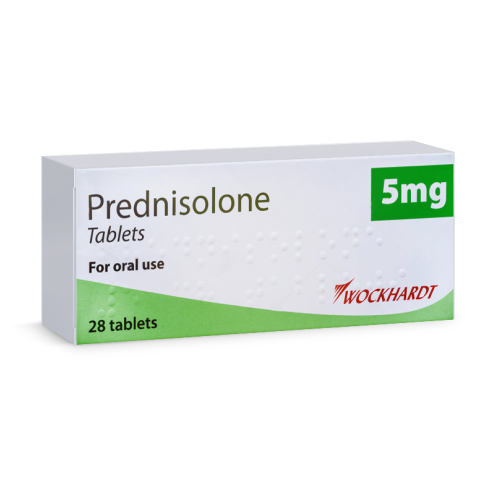
| Medicine Name | Prednisolone |
|---|---|
| Main Compound | Prednisolone |
| Treatment Use | Control and reduction of inflammation |
| Strength Variants | 1 mg, 5 mg, 25 mg tablets; liquid suspension also available |
| How quickly it acts | Within several hours (typically 1–4 hours after intake) |
| Effective Timeframe | Lasts from 12 to 36 hours depending on dose and individual factors |
| Consumption with Food | Can be taken with or after meals to minimise stomach upset |
| Is a script needed? | Prescription required in Australia |
Prednisolone for Inflammation: What Australians Need to Know
Prednisolone is a prescription medicine widely used in Australia to treat various inflammatory conditions, including asthma, rheumatoid arthritis, and allergic reactions. It is recognised for its ability to reduce inflammation and immune responses, and is legally available under the oversight of the Therapeutic Goods Administration (TGA). Understanding how Prednisolone works, who it suits, and how to use it safely can help you make an informed decision about your treatment options.
How common is inflammation, and what does it mean for you?
Inflammatory diseases, such as arthritis, asthma, and autoimmune conditions, affect a significant proportion of Australians. According to the Australian Institute of Health and Welfare (AIHW), around 3.6 million Australians were living with arthritis alone in 2020. Persistent inflammation contributes not only to pain and discomfort but also to long-term joint, organ, or tissue damage if left untreated. Knowing that millions of Australians are managing inflammation highlights that this is a widespread, manageable medical issue, not a personal failing. Importantly, effective treatments are available, and you are not alone on this journey.
How Prednisolone works against inflammation
Prednisolone acts by suppressing the body’s immune response, specifically targeting the mechanisms that drive inflammation. In practical terms, it does this by mimicking cortisol — a natural hormone produced by your adrenal glands — which regulates immune activity and reduces the release of substances that cause swelling and tissue irritation.
- Physiological mechanism: Prednisolone enters cells and binds to glucocorticoid receptors, leading to the reduction of pro-inflammatory cytokines and inhibition of immune cell activity.
- Practical impact for patients: The result is a noticeable decrease in redness, swelling, heat, and pain at the affected site, often within hours of the first dose. For conditions like asthma or flare-ups of autoimmune diseases, this can translate to easier breathing, reduced joint pain, and improved mobility or comfort.
The speed and intensity of relief will depend on the underlying condition, the dose prescribed, and your individual health profile. Most patients begin to feel improvement within the first day of treatment.
Is Prednisolone right for your situation?
| Your situation | Is Prednisolone appropriate? | Why or why not |
|---|---|---|
| You have a sudden flare of asthma, severe allergy, or autoimmune disease, and other medicines have not worked | Yes | Prednisolone is often prescribed in acute situations to rapidly control inflammation that threatens health or daily activities. |
| You need long-term control of chronic inflammation (e.g. rheumatoid arthritis) | Sometimes | Prednisolone may be used short-term for flares, but ongoing use is usually limited due to potential side effects; doctors often prefer alternative long-term options. |
| You have an existing infection, uncontrolled diabetes, or a history of severe mental health reactions to steroids | No | Prednisolone is generally avoided in these cases because it can worsen infections, affect blood sugar, and trigger psychiatric effects. Alternative treatments are considered safer. |
| You are pregnant or breastfeeding | Depends | The risk–benefit balance must be evaluated by your doctor; Prednisolone may be used in some cases if the benefits outweigh the risks. |
If you are unsure which category you fall into, a consultation with your GP or specialist is essential to assess the safest and most effective option.
Taking Prednisolone: What you need to know for daily life
- Timing and dosing: Prednisolone is usually taken once daily, preferably in the morning to mimic the body’s natural rhythm and reduce side effects. Always follow your doctor’s prescription — do not adjust the dose without medical advice.
- With or without food: To lower the risk of stomach upset or irritation, Prednisolone should be taken with food or immediately after a meal.
- If you miss a dose: If you remember soon after the scheduled time, take it. If it is almost time for your next dose, skip the missed one — do not double-up.
- What if you do not notice improvement: Some conditions take longer to respond. If symptoms persist after a few days, or you worsen, consult your doctor. Do not stop the medication abruptly without medical supervision, as this can lead to withdrawal symptoms due to suppression of your adrenal gland function.
- During infections or surgery: Notify your healthcare provider if you develop an infection or require surgery while on Prednisolone — dose adjustments or additional care may be necessary.
- When to seek urgent help: If you experience sudden swelling of the face or throat, severe trouble breathing, or confusion, seek immediate medical attention.
Prednisolone effectiveness and side effects can be influenced by other medications and your health status. Keep your doctor informed about any changes to your medicines or health.
Who should not use Prednisolone?
Certain groups are strongly advised to avoid Prednisolone because of particular risks:
- Active systemic infections: Because Prednisolone suppresses the immune system, it can allow infections to worsen or spread.
- Uncontrolled diabetes: Corticosteroids like Prednisolone can raise blood glucose, making diabetes difficult to manage.
- History of severe psychiatric reactions to steroids: Prednisolone may trigger mood swings, psychosis, or severe anxiety in sensitive individuals.
- Known allergy to Prednisolone or other corticosteroids: An allergic reaction could be dangerous.
In these circumstances, alternative treatments should be discussed with a healthcare provider. If you are uncertain about your suitability, your pharmacist or doctor can provide tailored guidance.
What side effects might occur — and which ones need attention?
Most people taking short courses of Prednisolone for acute inflammation experience few side effects, but longer-term use or higher doses increase the risk. Common side effects include:
- Short-term: Increased appetite, insomnia, mood changes, mild stomach upset. These usually resolve once the course is complete.
- Long-term or high-dose: Weight gain, high blood pressure, elevated blood sugar, thinning of the skin, bone loss (osteoporosis), and slow wound healing.
When to seek urgent help: If you develop severe allergic symptoms such as swelling of the face, lips, tongue, or throat, difficulty breathing, or sudden confusion, call Triple Zero (000) for emergency services in Australia. These symptoms may indicate a serious allergic reaction or dangerously high blood pressure.
Most mild effects pass with dose reduction or cessation of treatment. Always inform your doctor about any persistent or worrying changes while taking Prednisolone.
Does Prednisolone interact with other medicines or foods?
Prednisolone is known to interact with a variety of medications and, less commonly, certain foods. Significant interactions include:
- Other immunosuppressants: Increased risk of infections and reduced vaccine effectiveness.
- Anti-inflammatory painkillers (NSAIDs): Higher chance of stomach irritation or bleeding.
- Diabetes medicines: Prednisolone can raise blood sugar, so adjustments to diabetes treatment may be needed.
- Some antifungal and antibiotic medicines: Can alter Prednisolone levels in the body, requiring dose modifications.
Grapefruit and grapefruit juice may also affect how Prednisolone is metabolised, although this is less pronounced than with some other medicines. Discuss all current medications and supplements with your doctor or pharmacist before starting Prednisolone, and alert them to any changes during treatment.
How does Prednisolone compare to alternatives for inflammation?
| Medication | Best suited for | Key strengths | Potential drawbacks |
|---|---|---|---|
| Prednisolone | Rapid control of severe or acute inflammation | Fast-acting, effective for many inflammatory diseases, available in multiple forms | Side effects limit long-term use, prescription required |
| Non-steroidal anti-inflammatory drugs (NSAIDs, e.g. ibuprofen) | Mild to moderate pain and inflammation | Accessible, over-the-counter, fewer systemic side effects short-term | Stomach and kidney risks, less effective for severe autoimmune conditions |
| Other corticosteroids (e.g. dexamethasone, methylprednisolone) | Specific inflammatory or allergic conditions, or when Prednisolone is not tolerated | Alternative steroid options with different potency and duration | Similar side effect profile, sometimes higher risk of certain complications |
| Immunomodulatory medicines (e.g. methotrexate, biologics) | Autoimmune diseases requiring long-term control | Suitable for maintenance therapy, can spare steroid use | Onset of action can be slow, regular monitoring required, high cost |
Prednisolone is often the medication of choice when quick suppression of inflammation is needed, but for ongoing management, doctors may recommend transitioning to alternative medications to reduce steroid burden and side effects. Your healthcare provider will help determine the best option for your condition and personal circumstances.
What you will actually pay for Prednisolone treatment in Australia
| Cost item | Amount | Note |
|---|---|---|
| GP or specialist consultation | $40–$90 | Standard in-person consult (Medicare rebate may apply) |
| Prescription fee | $0–$10 | Varies by pharmacy; may be waived for PBS scripts |
| Prednisolone tablets (per box, 30x5mg) | $6–$30 | Generic and brand-name options; PBS subsidies may apply |
| Home delivery (optional) | $5–$15 | Varies by pharmacy/online service and location |
| Total | $51–$145 | Initial outlay for first prescription with consultation and delivery |
These figures are approximate and reflect typical costs in Australia. If you hold a concession card, are eligible for the Pharmaceutical Benefits Scheme (PBS), or use online pharmacies, your expenses may be lower. Always check with your local pharmacy for the latest pricing.
Outstanding questions: What about stopping Prednisolone and monitoring?
A common concern is how to safely stop taking Prednisolone, especially after longer or higher-dose courses. Abrupt cessation can cause adrenal insufficiency, leading to symptoms like fatigue, weakness, and, in rare cases, life-threatening shock. For this reason, your doctor will usually provide a tapering schedule — gradually reducing the dose over days or weeks to allow your body to adjust. Never stop Prednisolone suddenly unless specifically told to do so by your healthcare provider.
Additionally, regular monitoring for blood pressure, blood sugar, bone density, and other side effects may be recommended during extended therapy. These checks help catch potential complications early. If you have concerns about any aspect of your treatment, raise them with your doctor, who can adapt your plan to your needs.
